
You haven't signed in yet, you can have a better experience after signing in
*Please complete the payment within {{receiveCouponInfo.expire_at}}Previous use*
You haven't signed in yet, you can have a better experience after signing in

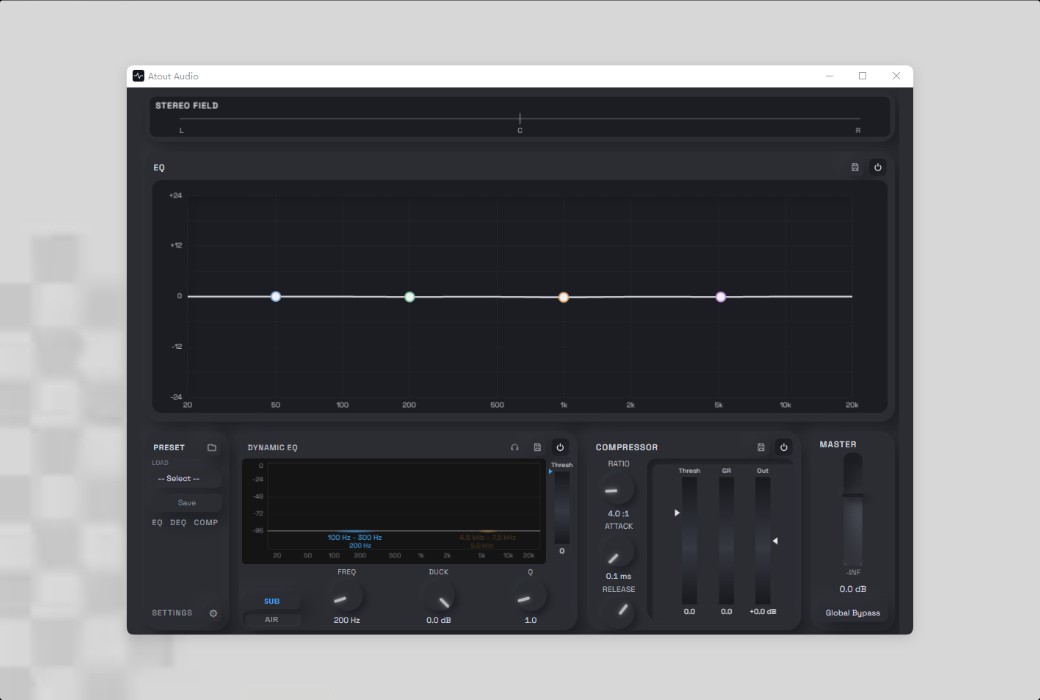

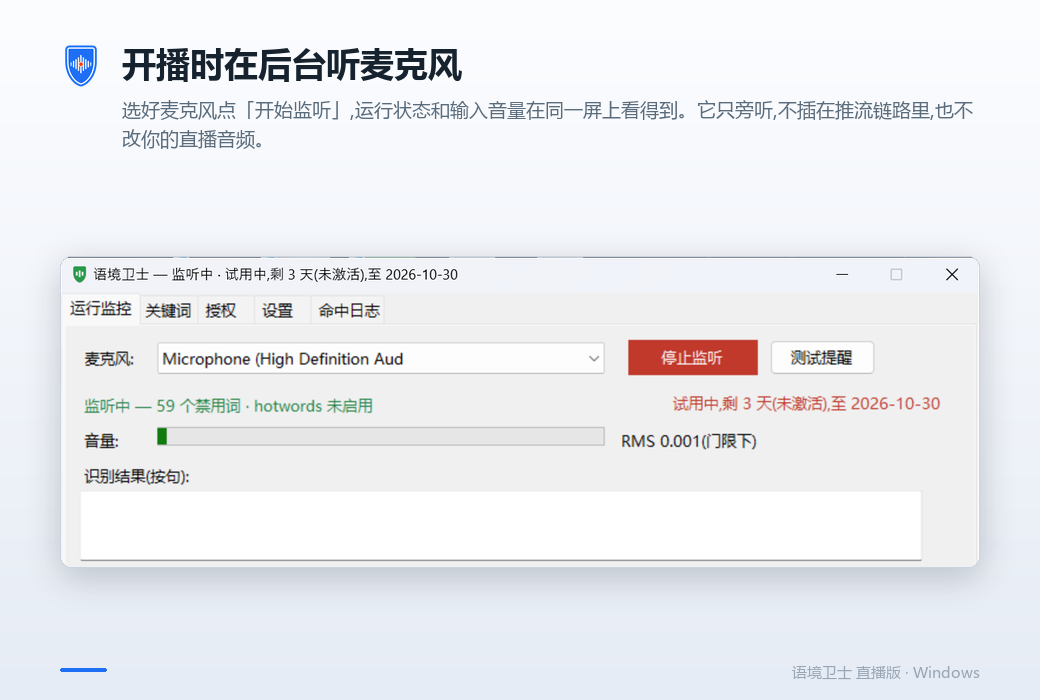


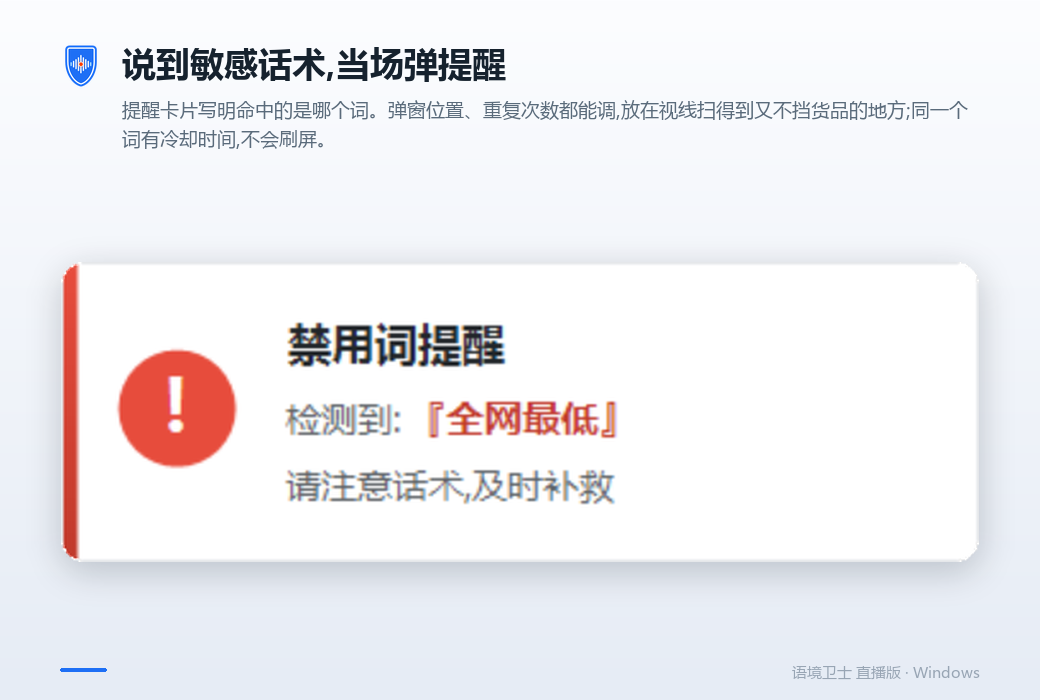
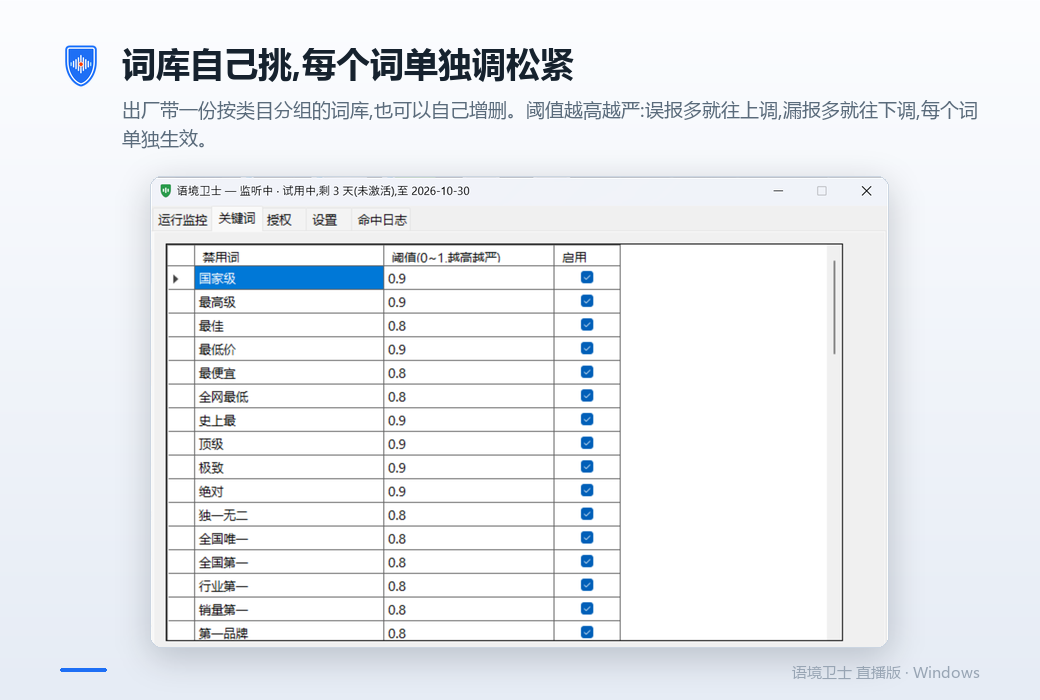
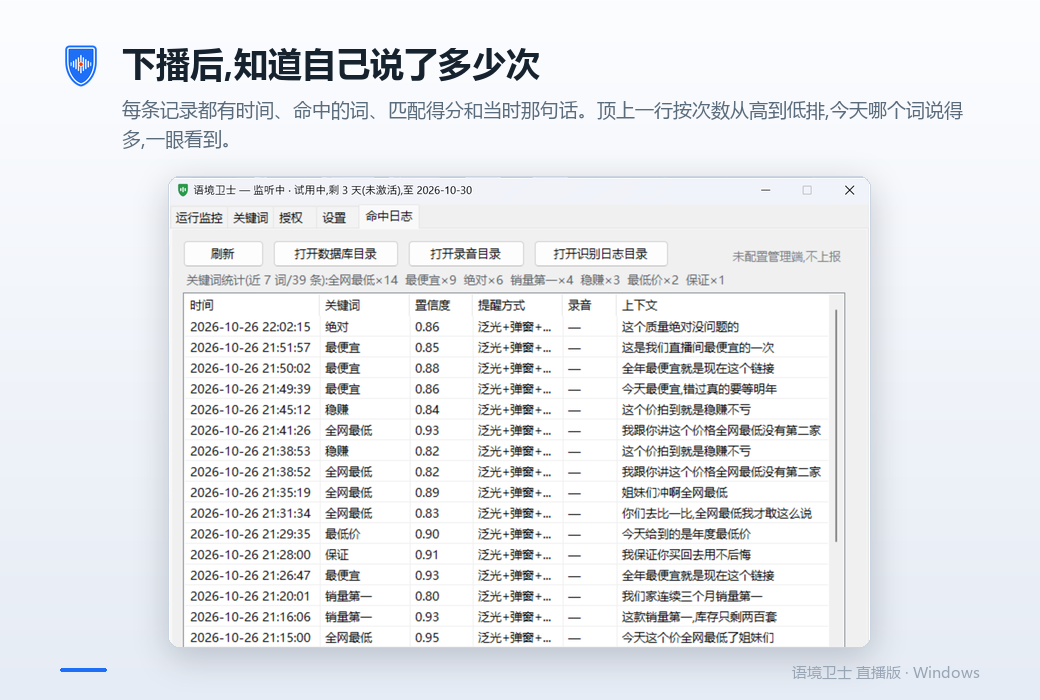
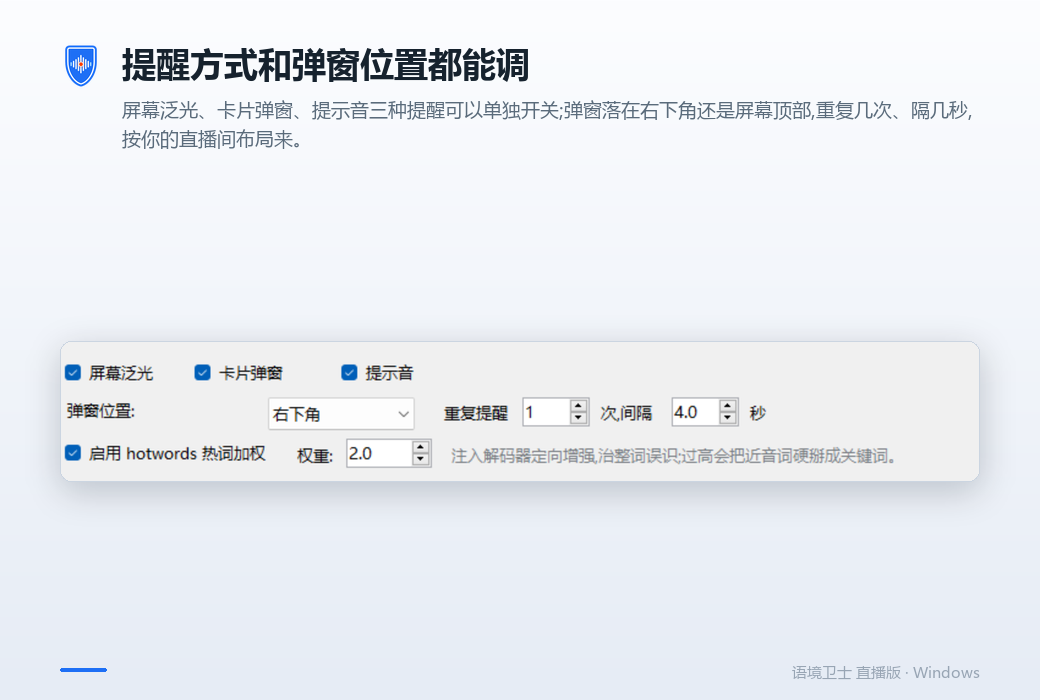
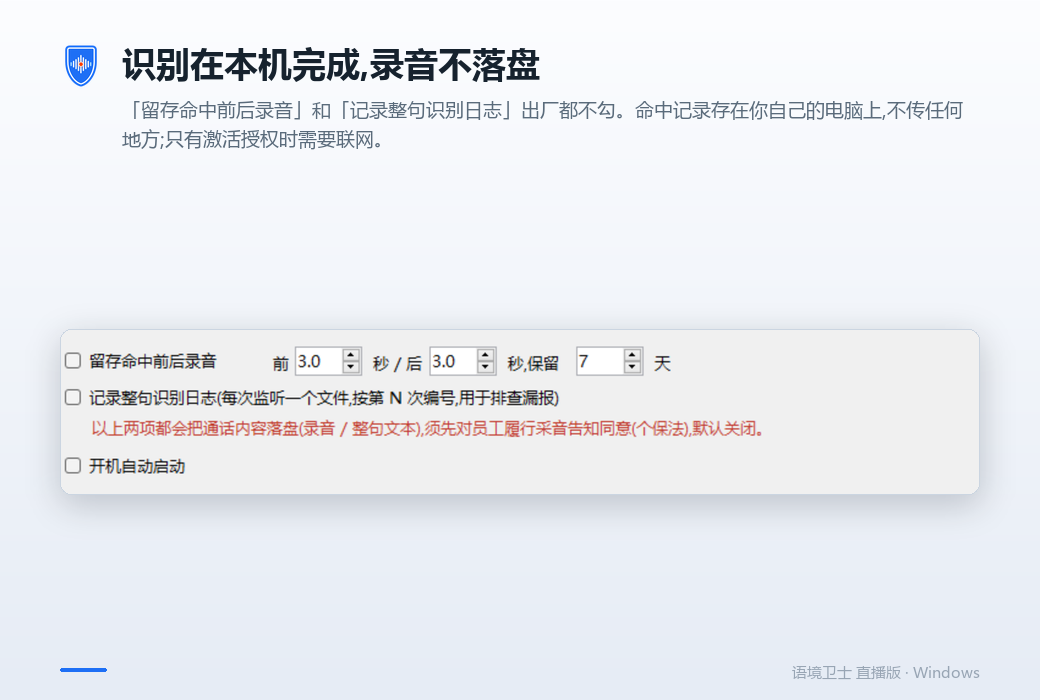
This device can monitor offline in real-time, accurately detecting both homophones and tone variations. It pops up a window to remind the speaker of sensitive words as soon as they are uttered. After the broadcast, it automatically generates a speech statistics report, helping the host to get rid of pet phrases and avoid platform penalties. It ensures security by not uploading any content.
"I used to forget how many times I used the word 'most' after going offline. Now, whenever the pop-up appears, I instinctively change my words. I haven't been fined again in half a month." - Wang Li, beauty makeup live streamer in Hangzhou
"I used to have to sit beside and listen attentively when mentoring three newcomers, but now the software does it for me, freeing up my time for product selection." - Zhang Hao, Live Streaming Operation Supervisor
"I'm impressed that you can catch the homophones. Once, I said 'zuì piányi' (with the character '草' as the prefix), thinking I could get away with it, but the instant pop-up appeared." — Li Xiang, 3C digital anchor
ContextGuard Live Edition boasts precise positioning: it addresses the pain point of streamers who "don't know how many times they have used prohibited words". Its offline design alleviates privacy concerns in the live streaming industry, and its homophone recognition technology sets it apart from pure text matching tools on the market. However, its limitations include support only for Windows, inability to block exported phrases, and no platform compliance guarantee. It serves as a "phrase safety belt" for medium to high-frequency streamers who broadcast on computers, but does not cover users who broadcast on mobile phones or those who expect automatic blocking/voice transformation.
There is no regret medicine for live streaming compliance. The Context Guardian live streaming version won't speak for you, but it will let you know what you have said - from "relying on feelings" to "having data", from "being afraid after the broadcast" to "making changes on the spot". A live broadcast consists of hundreds of sentences, let it help you keep an eye on those few sentences that shouldn't be said.